
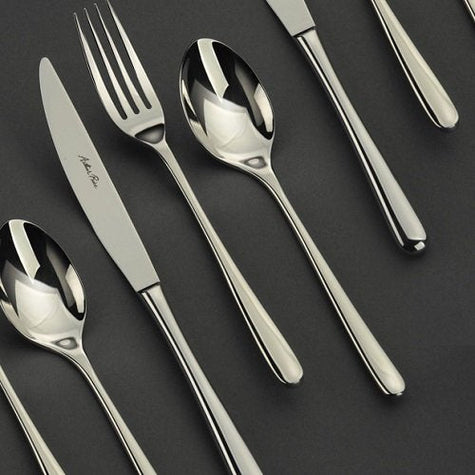
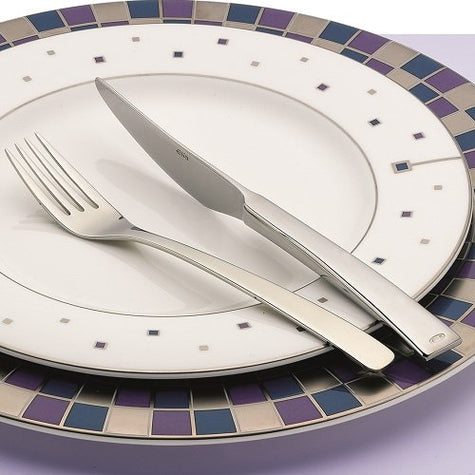
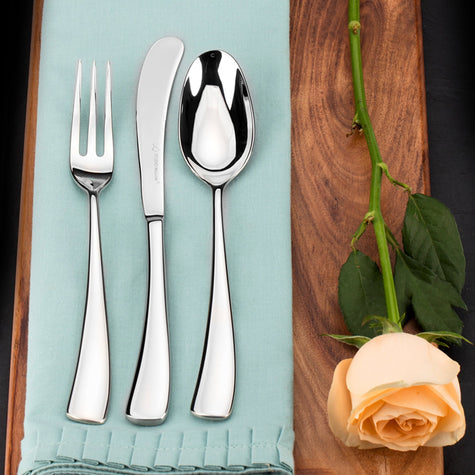
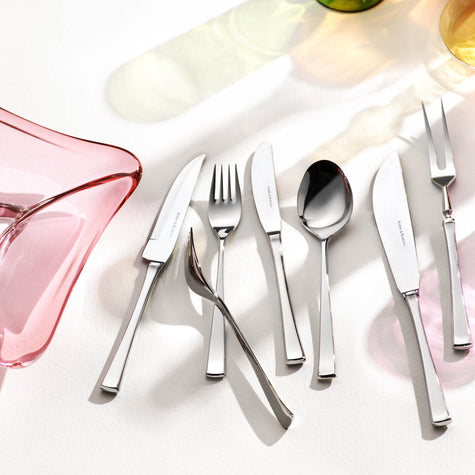
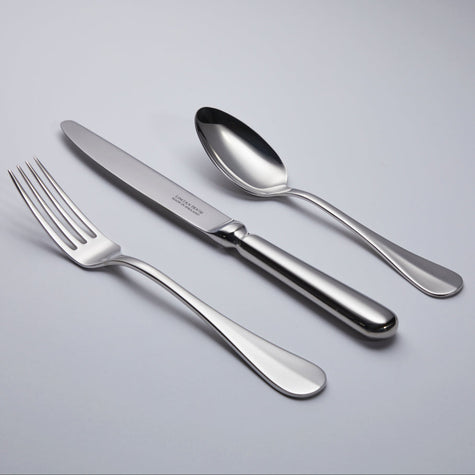
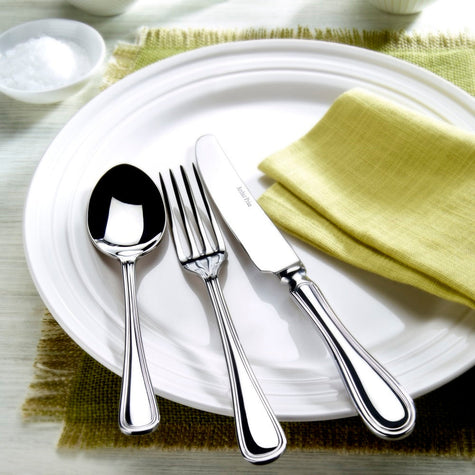
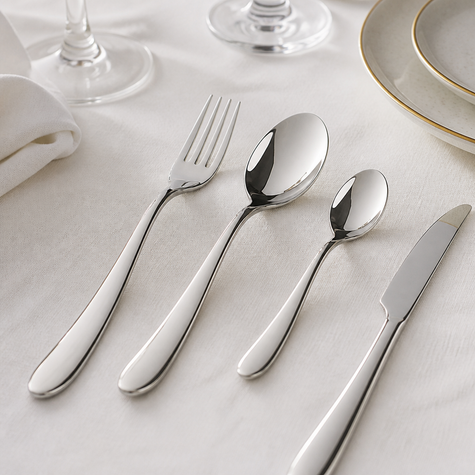
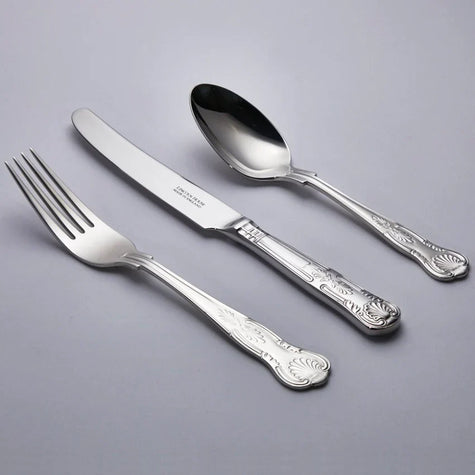
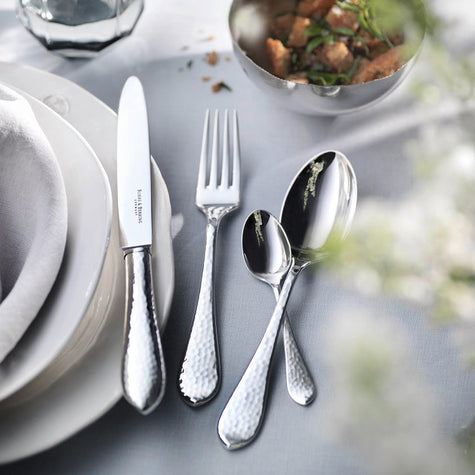
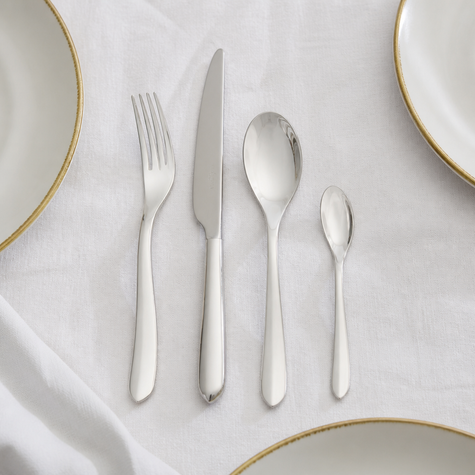
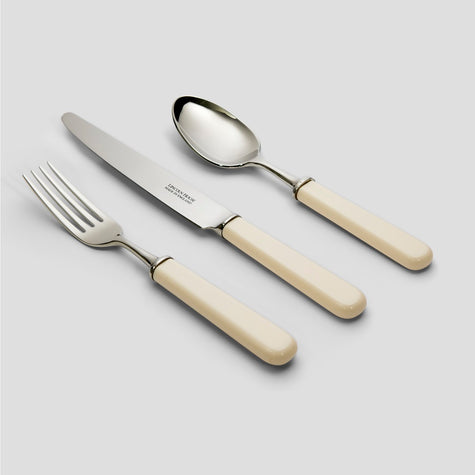
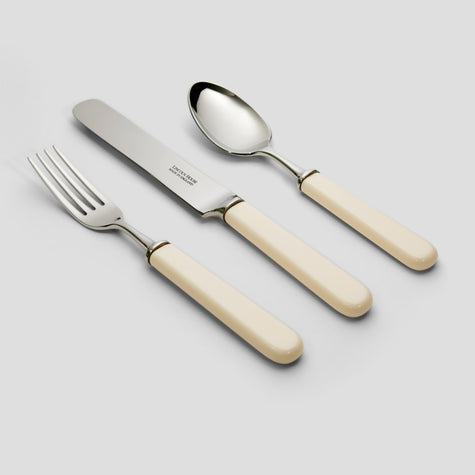
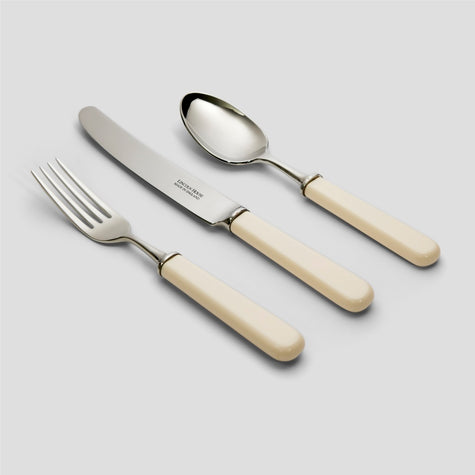
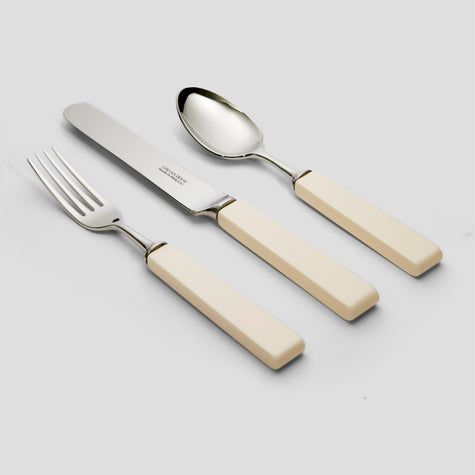
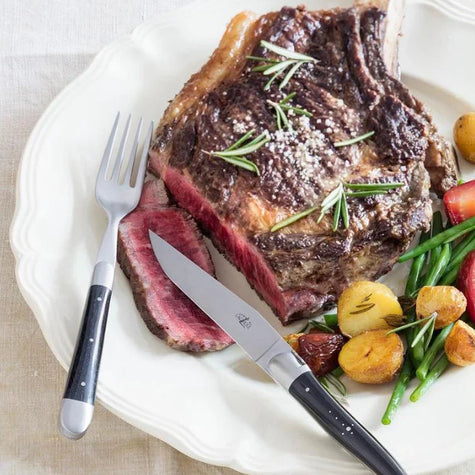
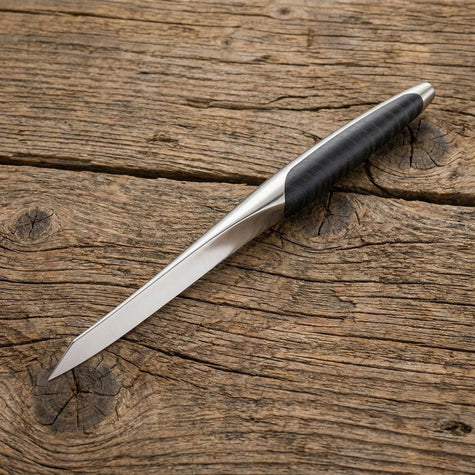

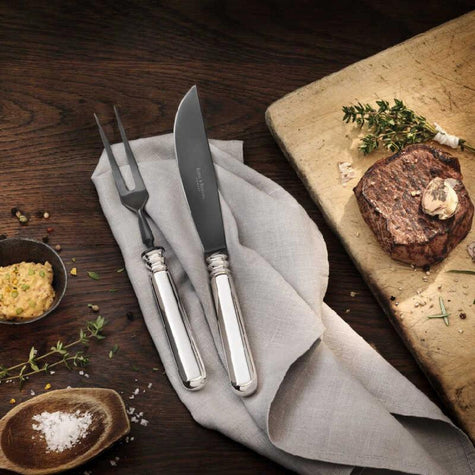


Pick it up and you'll feel the difference immediately — the weight, the balance, the quiet confidence of something made properly. Our stainless steel collections are crafted in premium 18/10 steel.
Shop Stainless Steel Cutlery
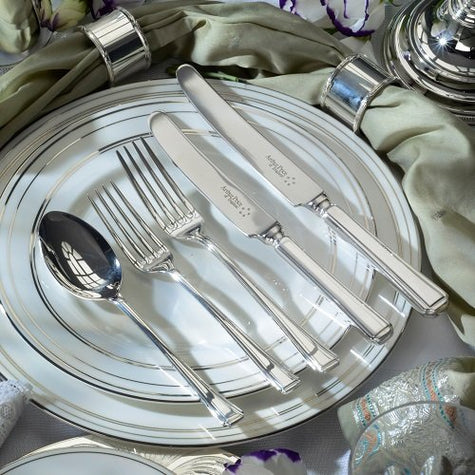
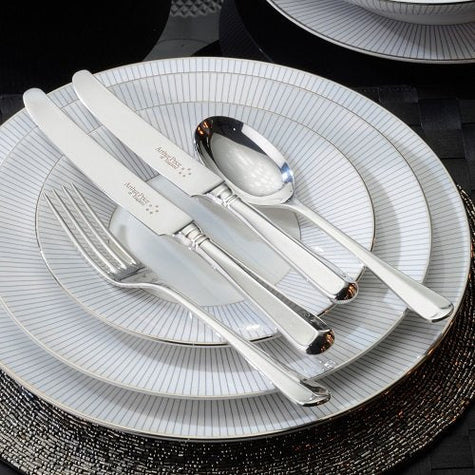
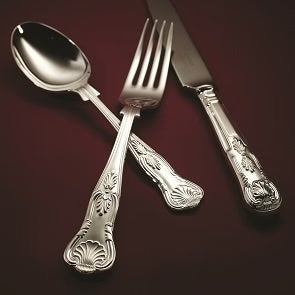
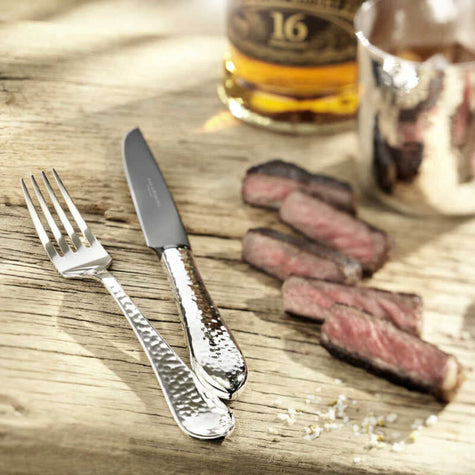
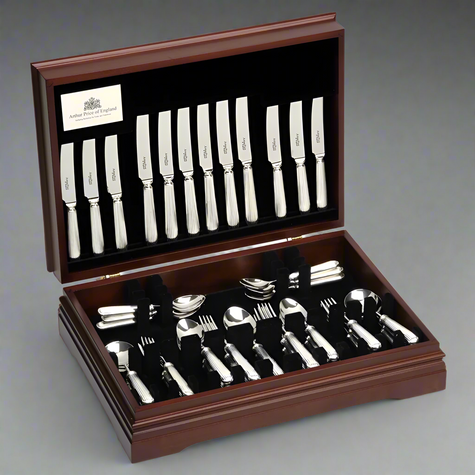
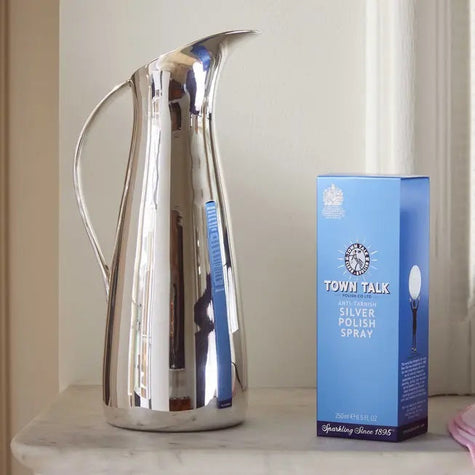
Silver plate has a distinctive warmth and lustre all of its own. Beautifully crafted and surprisingly easy to live with, these are pieces that bring a quiet sense of occasion to every meal.
Shop Silver Plate Cutlery
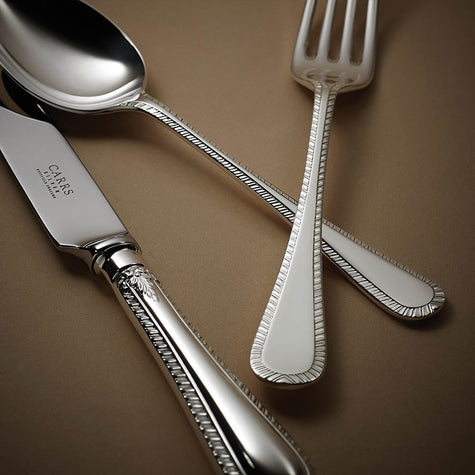
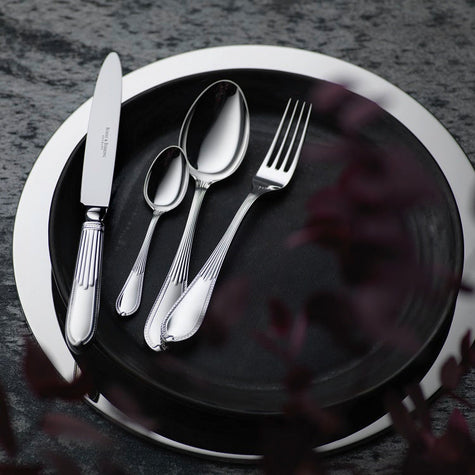
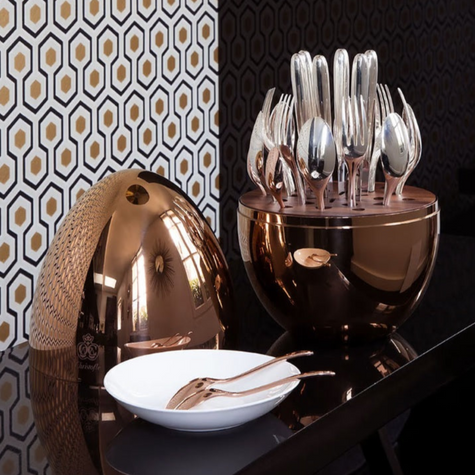
Sterling silver changes with you. It develops a character over the years — a patina that tells the story of every family meal, anniversary dinner, and late-night conversation around the table with friends. These are heirloom pieces, made by master silversmiths.
Shop Sterling Silver Cutlery
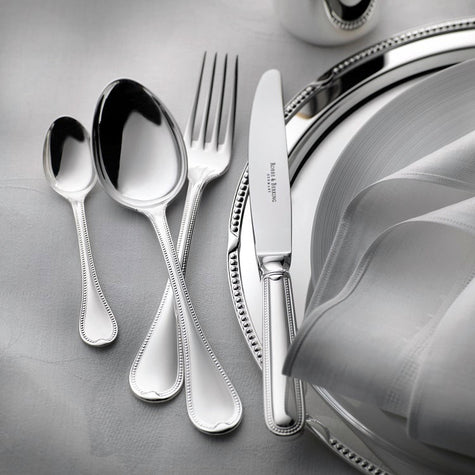
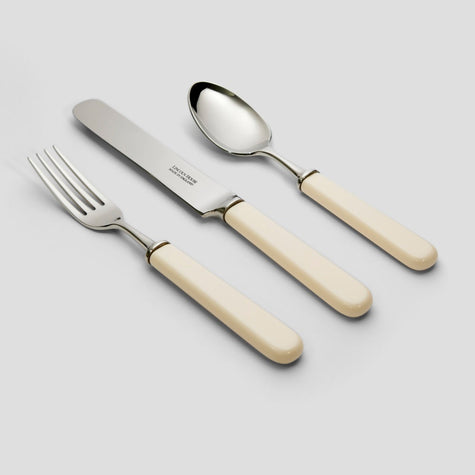
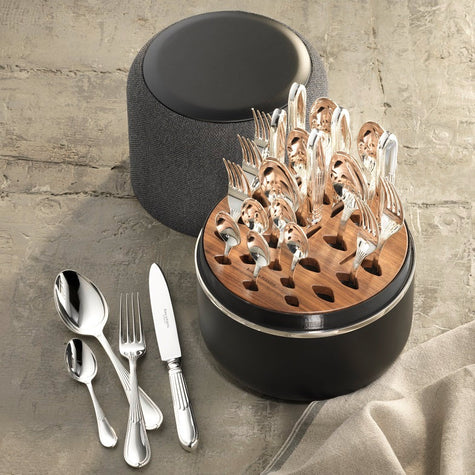
If you grew up with bone-handled knives in the kitchen drawer, you'll recognise this feeling instantly. Our cream handle collections capture everything you remember, built to last in a way the originals never quite did.
Shop Cream Handled CutleryComplete your table
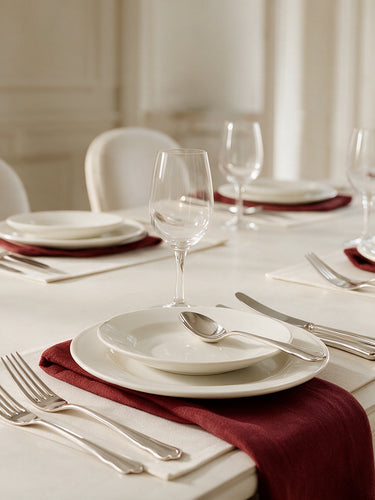
Set the whole table. Pair your cutlery with our silverware collection — from napkin rings to candlesticks, everything to make your table unforgettable


Best-Selling Collections


Make it truly theirs
Personalised engraving and bespoke services available on selected pieces – perfect for weddings, anniversaries and special occasions.

Engraving

Laser Etching

Gold Embelishment
Meet the brands behind our cutlery
We only work with the finest cutlery brands and silversmiths in Britain and Europe.


Why buy from Lincoln House?
-
Independent family specialists since 1967
More than 50 years of cutlery expertise, spanning two generations and a proud Sheffield heritage.
-
Exceptional quality and craftsmanship
Carefully selected cutlery from respected British and European makers, chosen for its balance, comfort, durability and lasting beauty.
-
Over 300 designs for every style and budget
Choose from traditional and contemporary patterns in premium stainless steel, silver plate and sterling silver.
-
Buy sets, singles or build your perfect set
Select a ready-made set or choose the exact pieces and quantities you need, from one replacement teaspoon to a complete restaurant fit-out.
-
Cutlery you can keep adding to
Established brands and enduring patterns offer the best opportunity to find matching and replacement pieces for years to come.
-
Personal advice from real cutlery experts
Speak directly with a knowledgeable specialist for help comparing ranges, choosing materials or matching an existing pattern—not a call centre.
-
Personalisation and bespoke finishes
Make your cutlery distinctive with names, monograms, crests, company logos, laser etching, special finishes or gold embellishment.
-
Excellent value through close manufacturer relationships
Access exceptional products at competitive prices, with flexible ordering and tailored quotations available.
-
Trusted in homes and leading hospitality venues
Supplying private customers, five-star hotels, Michelin-starred restaurants, prestigious clubs and independent businesses in the UK and worldwide.
-
Support before, during and after your purchase
Return for expert advice, additional place settings or replacement pieces, with secure payment, a 30-day money-back guarantee and free UK delivery on qualifying orders.
Trade & Hospitality
For Hotels& Restaurants.
Trusted by 5-star hotels and Michelin-starred restaurants. We supply tailored cutlery solutions for hospitality at any scale.

"It was a pleasure working with Lincoln House – the team is extremely professional and very knowledgeable on their products. Opening Grantley Hall was very complex with four completely different dining experiences, which meant I needed options but also exceptional quality. Lincoln House delivered on point on time and in budget! Whatever my next project is, Lincoln House will always be in my suppliers list!"
Not sure which cutlery to choose

Dinner Plates vs Side Plates: Which Pieces Belong in a Complete Place Setting?
A complete formal place setting includes a dinner plate, a side plate (also called a bread plate), and, for multi-course meals, a soup bowl and a dessert plate. Each piece...

How to Choose and Use a Meat Carving Fork
A meat carving fork is the tool that holds a joint steady while you carve — and choosing the right one makes the difference between clean, confident slices and a...

The Complete Guide to Bread and Butter Plates: Sizes, Styles and How to Use Them
A bread and butter plate is a small side plate, typically 15–18 cm (6–7 inches) in diameter, placed to the upper left of the main place setting to hold a...

Silver Plate vs Stainless Steel: Which Cutlery Set Suits Your Table?
Silver plate brings formal elegance and a warm, lustrous finish to the table; stainless steel offers everyday durability and effortless care. The right choice depends on how often you entertain,...
Take a seat at our table
Join 4,000+ homeowners and hosts.
Get £15 off your first order when you spend over £150.


About Lincoln House Cutlery
Lincoln House Cutlery is specialist supplier of fine cutlery in sterling silver, silver plate and stainless steel.
We also sell a stunning range of silverware and gifts.
We are an independent, family-owned business, based in Somerset, England.
We bring you the finest products from the most prestigious British and European silversmiths and brands available today.
Explore our extensive range of over 300 traditional and contemporary cutlery designs – and shop from over 10,000 products.
With over 50 years’ heritage in the cutlery and silverware industry, we are on hand to support you with personal and knowledgeable customer service.
We offer UK and worldwide delivery.
Read more about us.
